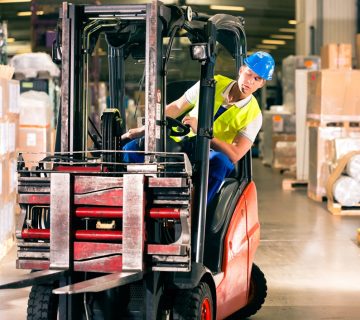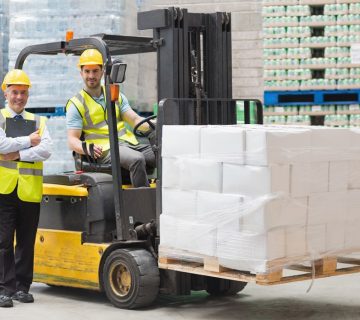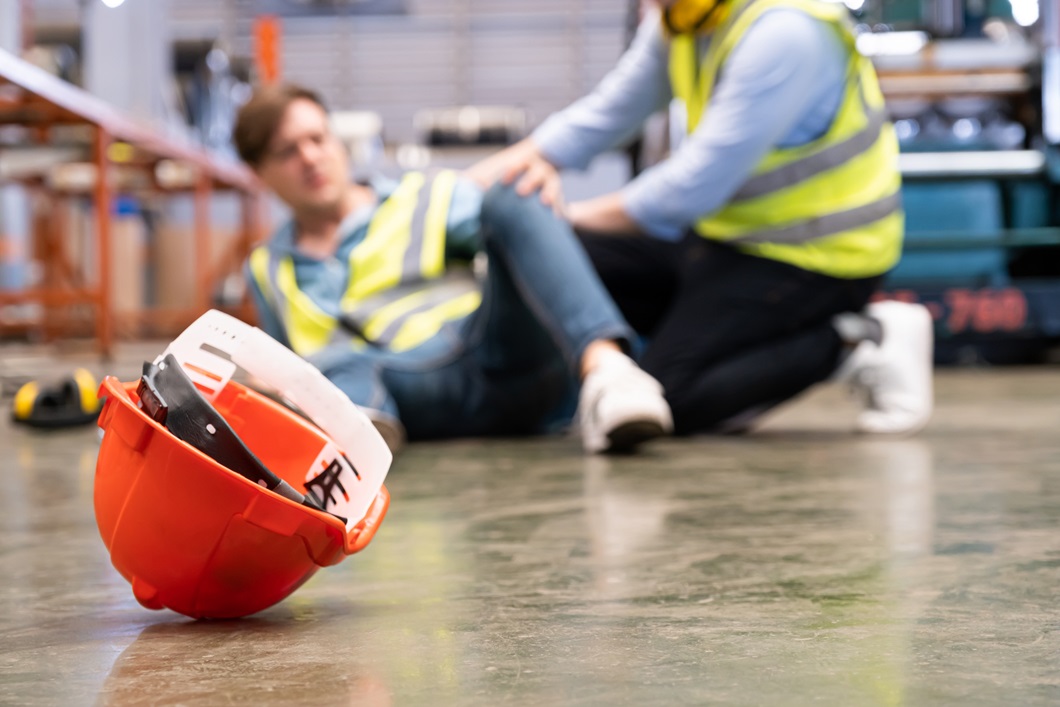
Forklift trucks are essential across warehouses, factories, yards, logistics hubs, construction sites and manufacturing environments throughout the UK. They help businesses move heavy loads quickly and efficiently, saving time and improving productivity. However, incorrect operation, unsuitable environments or inadequate training can create serious risks.
At Forklift Truck Training Solutions Ltd, we provide nationwide forklift truck training with fully accredited courses designed to improve operator confidence, workplace safety and compliance. With over 30 years’ industry experience, we understand the real-world risks businesses face. From novice operators to experienced staff requiring refresher or conversion training, effective training plays a vital role in reducing accidents.
In this blog, we look at 7 common forklift accidents in the UK and explain how proper forklift safety training can help prevent them.
Why Forklift Safety Training Matters
Forklift trucks are powerful machines. Even at low speeds, their weight, movement, load capacity and restricted visibility can cause significant damage. A simple mistake, such as turning too sharply, travelling with a raised load or misjudging a pedestrian walkway, can quickly lead to injury, damaged goods, racking or costly downtime.
Effective warehouse accident prevention starts with trained operators who understand both the machine and their working environment. Our forklift courses combine theoretical learning, practical operating skills and formal assessment.
At Forklift Truck Training Solutions, courses are tailored to your needs and can be delivered on-site, helping operators understand the risks within their actual workplace and supporting safer day-to-day operations.
The 7 Most Common Accidents.
1. Forklift Tip-Overs
One of the most serious forklift accidents is a tip-over. This can happen when a truck becomes unstable and overturns sideways or forwards. Tip-overs may occur due to excessive speed, sharp cornering, uneven surfaces, overloading, travelling with a raised load, or braking suddenly.
Forklift trucks have a different centre of gravity compared with cars or vans. When a load is lifted, moved or turned incorrectly, stability can change quickly. Operators who do not fully understand the stability triangle, load centre and safe travelling procedures may unintentionally put themselves and others at risk.
How training helps prevent tip-overs
Structured forklift safety training teaches operators how to assess stability before moving, lifting or stacking loads. During training, delegates learn how to:
- Travel with loads at a safe height
- Turn at appropriate speeds
- Understand load capacity and load centres
- Avoid sudden braking or harsh steering
- Operate safely on slopes or uneven surfaces
- Recognise when a load is unsuitable or unsafe to move
Our novice forklift training is ideal for operators with no previous experience, while refresher training helps experienced operators correct bad habits that may have developed over time. By reinforcing safe operating principles, training significantly reduces the risk of tip-over incidents.
2. Pedestrian Collisions
Pedestrian collisions are among the most concerning forklift accidents in UK workplaces. Forklifts often operate in busy environments where warehouse staff, delivery drivers, supervisors and visitors may be walking nearby. Restricted visibility, blind corners, reversing, noise, poor traffic management and lack of awareness can all contribute to accidents involving pedestrians.
Even a low-speed collision can cause serious injury. This is why forklift operation must always be supported by safe systems of work, clear communication and operator awareness.
How training helps prevent pedestrian accidents
Professional forklift training teaches operators to always remain aware of people around them. This includes safe use of mirrors, horns, lights, reversing procedures and observation techniques.
Operators are trained to:
- Check surroundings before moving
- Use controlled speeds in pedestrian areas
- Understand blind spots and restricted visibility
- Follow designated routes and workplace traffic rules
- Communicate effectively with banksmen or colleagues
- Stop and reassess when pedestrians enter the operating area
On-site forklift training is especially useful because it allows operators to train in the same environment, they will be working in. This means they can identify real hazards such as loading bays, walkways, doorways, racking aisles, blind corners and shared routes.
3. Load Instability and Falling Goods
Load instability is another common cause of forklift-related accidents. Goods may fall from the forks, pallets may split, loads may be stacked unevenly, or operators may attempt to move items that are too heavy, too high or poorly secured.
Falling loads can damage stock, equipment, vehicles and buildings. More importantly, they can cause serious injuries to operators or nearby workers.
Load instability is often caused by:
- Incorrect fork positioning
- Overloading the truck
- Damaged pallets
- Uneven load distribution
- Travelling too quickly
- Lifting or lowering loads incorrectly
- Poor stacking techniques
How training helps prevent load-related incidents
A key part of our forklift truck training courses is teaching operators how to assess and handle loads safely. This includes checking weight, balance, condition and suitability before attempting to lift.
During training, operators learn how to:
- Position forks correctly
- Keep loads stable and secure
- Understand rated capacity
- Identify unsafe pallets or packaging
- Stack and de-stack safely
- Travel smoothly with loads
- Avoid raising loads while travelling
For businesses handling specialist materials or unusual load types, tailored training can be particularly valuable. We offer courses across a wide range of equipment, including Counterbalance, Reach Trucks, Side Loaders, Combilift Multi-Directional, Aislemaster, Telescopic Rough Terrain, Pedestrian Forklift Trucks and more.
4. Racking and Infrastructure Damage
Racking damage is a common issue in warehouses and distribution centres. Forklifts may strike racking uprights, support beams, shelving, doors, walls, columns, machinery or parked vehicles. Sometimes the damage appears minor, but weakened racking can create a serious safety risk if not reported and repaired.
Racking accidents often happen in tight aisles, during reversing, while turning, or when operators misjudge the size of their truck or load. Pressure to work quickly can also lead to shortcuts and mistakes.
How training helps prevent racking damage
Proper warehouse accident prevention includes teaching operators how to manoeuvre safely and accurately. Training gives operators the confidence to work efficiently without rushing or taking unnecessary risks.
Operators learn how to:
- Judge clearance distances
- Use safe steering techniques
- Approach racking correctly
- Stack loads at the correct angle and height
- Reverse safely
- Report impacts and near misses
- Understand the risks of damaged racking
For businesses using specialist equipment such as VNA trucks, pivot steer forklifts, Aislemaster, Bendi, Flexi or Reach Trucks, conversion training can be essential. A driver trained on one type of forklift should not assume they can safely operate another without proper instruction. Each truck has different controls, turning circles, visibility and handling characteristics.
5. Accidents During Loading and Unloading
Loading and unloading vehicles can be one of the highest-risk tasks for forklift operators. Incidents may occur when lorries move unexpectedly, loads shift, ramps are unsafe, trailers are unstable, or communication between drivers and forklift operators is poor.
There is also a risk of forklifts falling from loading docks or entering trailers that are not properly secured. In busy yards and delivery areas, pedestrians and vehicles may add further hazards.
How training helps prevent loading bay accidents
Forklift training teaches operators to follow safe loading and unloading procedures, rather than relying on assumptions or shortcuts.
This includes:
- Checking vehicle stability before entry
- Understanding trailer floors and load limits
- Communicating with drivers and site staff
- Using ramps and dock levellers safely
- Keeping loads low and controlled
- Avoiding sudden movements inside trailers
- Maintaining awareness of pedestrians and other vehicles
On-site training can be especially beneficial for companies with active loading bays because the training can reflect the layout, equipment and procedures already in place. This helps create safer, more consistent working practices across the team.
6. Poor Visibility and Reversing Accidents
Forklift operators often have limited visibility, especially when carrying large or high loads. Reversing accidents can occur when operators fail to check behind them, rely too heavily on mirrors, or do not use warning signals correctly.
Poor visibility may also be caused by lighting conditions, narrow aisles, blind corners, weather in outdoor yards, or loads that block the operator’s forward view.
How training helps improve awareness
A trained operator understands that visibility must be managed constantly. If a load blocks forward vision, they must know when to travel in reverse, when to use assistance and when to stop.
Training covers:
- Effective all-round observation
- Safe reversing procedures
- Use of audible warnings and lights
- Maintaining clear sightlines
- Working safely near blind corners
- Adjusting to poor lighting or outdoor conditions
- Knowing when to request a banksman
This is an important part of forklift safety training because many accidents are caused not by lack of skill, but by lack of awareness. Professional training builds safe habits that become part of everyday operation.
7. Using the Wrong Equipment or Operating Without the Right Training
Not all forklift trucks are the same. A counterbalance truck, reach truck, rough terrain forklift, telescopic handler, side loader, pedestrian truck and Combilift all operate differently. Each has its own controls, handling characteristics, operating environment and safety considerations.
One of the most avoidable causes of forklift accidents is asking an operator to use equipment they have not been trained to operate. Even experienced drivers need conversion forklift training when moving to a different truck type.
How training helps ensure the right skills
At Forklift Truck Training Solutions, our courses cater for all experience levels:
- Novice forklift training – for people with no previous experience, usually delivered over 3, 4 or 5 days
- Existing operator training – for operators with previous experience but no formal licence
- Refresher forklift training – for operators whose previous licence has expired or who need skills updated
- Conversion forklift training – for operators with a current licence changing to another type of equipment
- On-site forklift training – tailored to your company’s workplace, equipment and operational needs
By matching the course to the operator’s experience and the equipment being used, businesses can reduce risk and improve productivity.
The Role of Refresher Training in Accident Prevention
Even experienced operators can develop unsafe habits over time. They may become overconfident, take shortcuts, ignore basic checks, or forget key principles from their original training. This is why refresher training is so important.
Refresher courses help operators revisit essential safety procedures, correct poor habits and stay confident when using equipment. They are also useful after near misses, workplace incidents, changes in site layout, introduction of new equipment or long periods away from operating.
For employers, refresher forklift training in the UK is a practical way to support safety, compliance and continuous improvement.
Build a Safer Workplace with Proper Forklift Training
Forklift accidents can cause serious injuries, damaged goods, equipment repairs and costly disruption. Many incidents can be prevented with the right training, awareness and workplace procedures.
Forklift Truck Training Solutions offers novice, refresher, conversion and on-site forklift safety training to meet your business needs.
Contact our team today for a free, no-obligation quote. We can also arrange a site visit to discuss your requirements. We are an accredited forklift truck training provider based in Yorkshire, offering nationwide forklift truck training services. With over 30 years’ experience in the industry, our professional UK training team can deliver fully accredited training tailored to your company’s needs.
Call us on 01757 700929 or get in touch online to find out how our accredited forklift training can help protect your people, your equipment and your business.