Material handling is an integral part of any logistics and warehousing operation. It involves the movement, protection, storage, and control of materials and products throughout the manufacturing, warehousing, distribution, consumption, and disposal processes. Effective material handling ensures that goods are moved efficiently and safely, reducing the risk of damage and worker injury while enhancing overall operational productivity.
In a warehouse setting, material handling encompasses a broad range of activities, from the moment raw materials enter the facility to the time finished products are shipped out. It involves not only the physical handling of goods but also the management and optimisation of processes to ensure that materials flow smoothly and efficiently through the supply chain. This makes material handling equipment, such as forklifts, an essential component of any efficient warehouse operation.
Forklifts are among the most versatile and widely used pieces of material handling equipment. They come in various types and configurations, each designed to meet specific operational needs. Choosing the right forklift can significantly impact the efficiency, safety, and profitability of your business, making it crucial to understand the different options available and how to select the most suitable one for your specific requirements.
The Importance of Choosing the Right Forklift
Selecting the appropriate forklift for your business is not just about picking the most powerful or the latest model available. It involves understanding your specific operational needs and challenges and choosing a forklift that can effectively address them. The right forklift can improve productivity by allowing for faster and more efficient handling of materials, reducing downtime, and increasing throughput.
Safety is another critical factor in forklift selection. Using a forklift that is not suited to your operational environment or the types of loads you handle can increase the risk of accidents and injuries. This can lead to costly downtime, legal liabilities, and damage to goods and equipment. Therefore, choosing a forklift that is designed to operate safely in your specific working conditions is essential.
Moreover, the right forklift can contribute to cost savings in the long run. An appropriately chosen forklift will be more energy-efficient, require less maintenance, and have a longer lifespan than one that is not suited to your needs. This can help reduce operational costs and improve your bottom line, making the investment in the right forklift a financially sound decision.
Types of Forklifts and Their Applications
Forklifts come in various types, each designed for specific applications and environments. Understanding the different types of forklifts and their uses can help you make an informed decision when selecting the right one for your business.
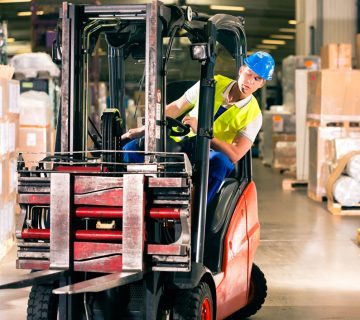
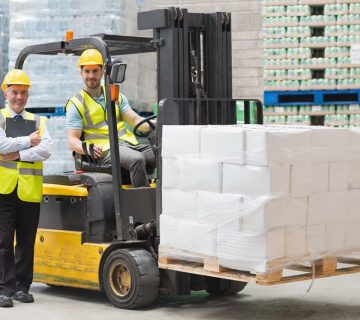
Counterbalance forklifts are the most common type and are widely used in warehouses and distribution centres. They have a weight at the rear of the vehicle to counterbalance the load being lifted at the front, making them stable and easy to manoeuvre. These forklifts are suitable for a wide range of tasks, including loading and unloading trucks, transporting goods, and stacking pallets.
Reach trucks are designed for high stacking in narrow aisles, making them ideal for operations with limited space. They have an extendable mast that allows them to reach high shelves, and their compact design makes them highly manoeuvrable. Reach trucks are commonly used in warehouses with high racking systems where space optimisation is crucial.
Other types of forklifts include pallet jacks, which are used for moving pallets at ground level; order pickers, which are designed for picking individual items from shelves; and rough terrain forklifts, which are built to operate on uneven surfaces and are commonly used in outdoor settings such as construction sites and lumber yards. Each type of forklift has its unique features and applications, so it’s important to choose one that aligns with your specific operational needs.
Key Factors to Consider When Selecting a Forklift
When choosing a forklift, there are several key factors to consider ensuring that you select the right one for your business. These factors include the type of materials you handle, the environment in which the forklift will operate, and your specific operational requirements.
One of the first things to consider is the type of materials you handle. Different forklifts are designed to handle different types of loads, so it’s important to choose one that can safely and efficiently handle the materials you work with. For example, if you handle heavy loads, you’ll need a forklift with a higher lifting capacity, whereas if you handle fragile materials, you may need a forklift with features that reduce the risk of damage.
The environment in which the forklift will operate is another critical factor to consider. Forklifts are designed for different types of environments, such as indoor warehouses, outdoor yards, or rough terrain. It’s important to choose a forklift that is suited to your operational environment to ensure optimal performance and safety. For example, electric forklifts are ideal for indoor use as they produce zero emissions, while rough terrain forklifts are designed for outdoor use on uneven surfaces.
Your specific operational requirements, such as the height of your racking system, the width of your aisles, and the frequency of use, should also be considered when selecting a forklift. These factors will determine the type, size, and features of the forklift that will best meet your needs. For example, if you have narrow aisles, you may need a reach truck or a narrow aisle forklift, whereas if you need to lift loads to great heights, you’ll need a forklift with a high lifting capacity.
Forklift Specifications: Capacity, Height, and Power
When selecting a forklift, it’s important to consider its specifications, including its capacity, lifting height, and power source. These specifications will determine the forklift’s suitability for your specific operational needs and ensure that it can safely and efficiently handle your materials.
The capacity of a forklift refers to the maximum weight it can lift. This is an important specification to consider, as using a forklift with an insufficient capacity can lead to accidents and damage to the forklift and the load. To determine the appropriate capacity for your forklift, consider the heaviest load you need to handle and choose a forklift with a capacity that exceeds this weight. Keep in mind that the lifting capacity may decrease at higher lifting heights, so it’s important to check the forklift’s load capacity chart.
The lifting height of a forklift refers to the maximum height it can lift a load. This is an important specification to consider if you have high racking systems or need to stack loads to great heights. Make sure to choose a forklift with a lifting height that meets your operational requirements. Additionally, consider the collapsed height of the forklift, which is the height of the mast when fully lowered, to ensure that it can fit through doorways and under low ceilings.
The power source of a forklift can also impact its suitability for your operational environment. Forklifts can be powered by electric batteries, internal combustion engines (such as gas, diesel, or propane), or a combination of both (hybrid). Electric forklifts are ideal for indoor use as they produce zero emissions and are quieter than internal combustion forklifts. However, they require regular charging and may have a shorter operational range. Internal combustion forklifts are more powerful and have a longer operational range, making them suitable for outdoor use and heavy-duty applications. Hybrid forklifts offer a combination of both power sources, providing flexibility and efficiency.
New vs. Used Forklifts: Pros and Cons
When choosing a forklift, you may also need to decide whether to purchase a new or used forklift. Both options have their pros and cons, and the best choice for your business will depend on your budget, operational needs, and long-term goals.
One of the main advantages of purchasing a new forklift is that it comes with the latest technology, features, and safety standards. New forklifts are less likely to require repairs and maintenance in the short term, and they often come with a manufacturer’s warranty, providing peace of mind. Additionally, new forklifts can be customised to meet your specific operational needs, ensuring optimal performance and efficiency.
On the other hand, new forklifts can be expensive, and the initial cost may be prohibitive for some businesses. If you have a limited budget, a used forklift may be a more affordable option. Used forklifts can be significantly cheaper than new ones, and they can still provide reliable performance if they have been well-maintained. Additionally, purchasing a used forklift can allow you to allocate your budget to other areas of your business, such as training, maintenance, or expansion.
However, purchasing a used forklift also comes with some risks. Used forklifts may have hidden issues or wear and tear that can lead to costly repairs and downtime. It’s important to thoroughly inspect a used forklift and check its maintenance history before making a purchase. Additionally, used forklifts may not come with a warranty, so you may need to budget for potential repairs and maintenance. Ultimately, the decision to purchase a new or used forklift will depend on your budget, operational needs, and long-term goals.
Safety Considerations in Forklift Operation
Safety is a critical consideration in forklift operation, as forklifts can pose significant risks to operators and other workers if not used properly. Ensuring that your forklift is operated safely can help prevent accidents, injuries, and damage to goods and equipment, while also improving overall operational efficiency and productivity.
One of the key safety considerations is ensuring that forklift operators are properly trained and certified. Forklift operators should receive comprehensive training that covers the safe operation of the forklift, including how to handle different types of loads, how to navigate the operational environment, and how to respond to emergency situations. Regular refresher training should also be provided to ensure that operators stay up-to-date with the latest safety standards and best practices.
Another important safety consideration is maintaining a safe operational environment. This includes ensuring that aisles and pathways are clear of obstacles, that loads are properly secured, and that the forklift is operated at safe speeds. Additionally, proper signage and markings should be used to indicate forklift operating areas and pedestrian zones, and safety equipment such as barriers and warning lights should be used to prevent accidents.
Regular maintenance and inspection of the forklift are also essential for ensuring safe operation. This includes checking the forklift’s brakes, steering, and hydraulic systems, as well as inspecting the forks and mast for any signs of wear or damage. Any issues should be addressed promptly to prevent accidents and ensure that the forklift remains in safe working condition.
Maintenance and Care for Your Forklift
Proper maintenance and care are essential for ensuring the longevity and reliability of your forklift. Regular maintenance can help prevent costly repairs, reduce downtime, and ensure that your forklift operates safely and efficiently.
One of the key aspects of forklift maintenance is performing regular inspections. This includes conducting daily pre-operational checks to ensure that the forklift is in good working condition before each use. Operators should check the forklift’s fluid levels, brakes, steering, lights, and tires, as well as inspect the forks and mast for any signs of wear or damage. Any issues identified during these inspections should be addressed promptly to prevent accidents and ensure safe operation.
In addition to daily inspections, regular scheduled maintenance should be performed according to the manufacturer’s recommendations. This includes tasks such as changing the oil and filters, checking and replacing hydraulic fluids, inspecting and adjusting the brakes, and servicing the battery or engine. Regular maintenance should be carried out by qualified technicians to ensure that all components are properly inspected and serviced.
Proper care and handling of the forklift can also help extend its lifespan and reduce the need for repairs. This includes following the manufacturer’s guidelines for load handling and operation, avoiding overloading the forklift, and using the forklift only for its intended purposes. Additionally, operators should be trained to handle the forklift with care, avoiding sudden starts and stops, and navigating obstacles safely.
Training Your Workforce for Effective Forklift Use
At Forklift Truck Training Solutions Ltd, we are dedicated to delivering comprehensive forklift training tailored to meet the diverse needs of your business. With over 25 years of experience in the industry, our fully accredited courses cover a wide range of equipment, including counterbalance, reach trucks, side loaders, and more. We provide specialised training for novices, existing operators, and individuals looking to convert their licenses, ensuring that every operator receives the highest standard of education and practical skills.
Our training programs are designed with a perfect balance of theoretical knowledge and hands-on experience, allowing participants to engage deeply with the material. We also offer on-site training that can be customised to your specific operational environment, enhancing both safety and efficiency while minimising disruption to your daily operations. Our experienced instructors are not only knowledgeable but also committed to creating a supportive learning atmosphere that fosters confidence and competence.
Conclusion: Making an Informed Forklift Choice
If you are located in and around the Leeds area forklift training in Leeds, choosing the right forklift for your business is a critical decision that can significantly impact your operational efficiency, safety, and profitability. By understanding the different types of forklifts and their applications, considering key factors such as capacity, height, and power, and weighing the pros and cons of new versus used forklifts, you can make an informed decision that meets your specific needs.
Safety should always be a top priority when selecting and operating a forklift. Ensuring that your forklift operators are properly trained and that your forklift is regularly maintained and inspected can help prevent accidents and ensure safe operation. By investing in the right forklift and prioritising safety, you can create a more efficient and productive warehouse environment.
Ultimately, the right forklift is an investment in your business’s success. By carefully considering your operational needs and making an informed choice, you can select a forklift that enhances productivity, ensures safety, and supports the growth and success of your business.