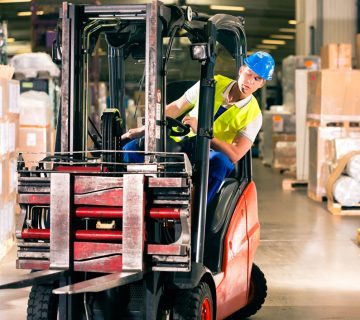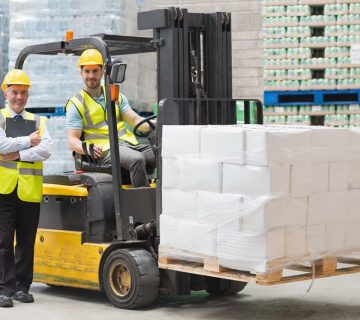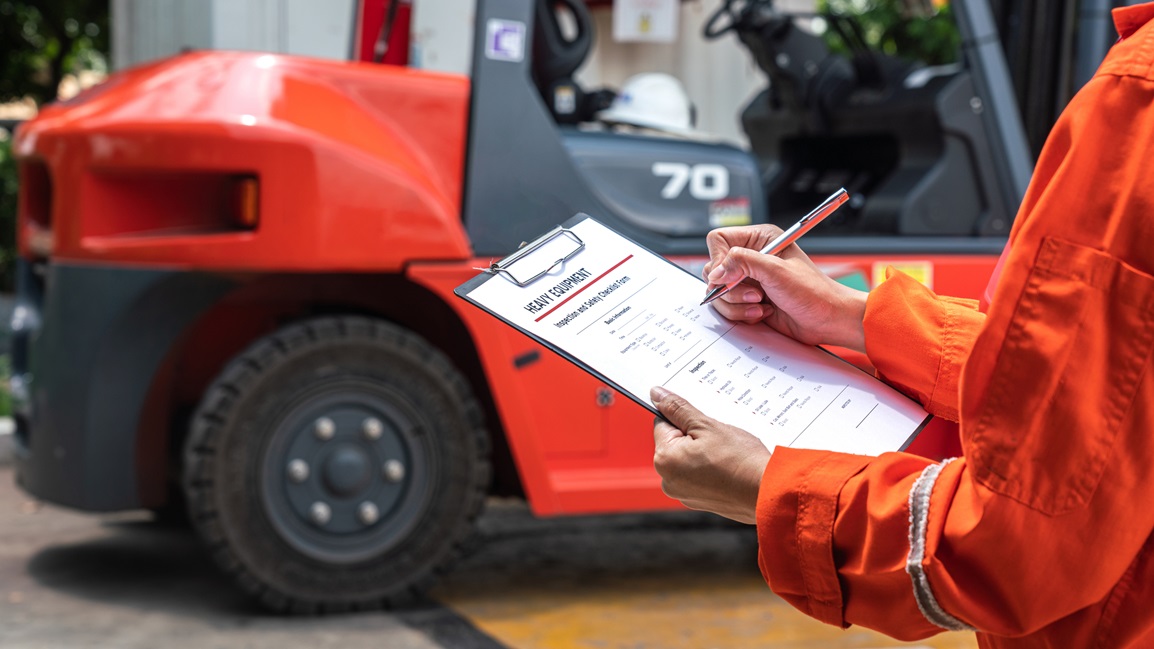
In the fast-paced world of logistics and warehousing, forklifts are the unsung heroes, carrying the heavy loads that keep businesses moving. However, like any machinery, they require regular maintenance to ensure longevity and optimal performance. Neglecting essential forklift repairs can lead to unexpected breakdowns, costly downtime, and safety hazards. This article delves into the top maintenance tips that can enhance the lifespan of your forklift while ensuring it operates at peak efficiency.
From regular inspections to proper cleaning techniques, these practical strategies are designed to keep your equipment in top shape. Join us as we explore the essential repairs and maintenance practices that not only safeguard your investment but also bolster productivity in your operations. Your fleet deserves the very best, so let us get started on the path to reliability and performance excellence!
Understanding the Importance of Forklift Maintenance
Forklifts such as counterbalance forklifts and Very Narrow Aisle (VNA) forklifts are essential for the smooth operation of warehouses and logistics centres. Designed to handle heavy loads in challenging environments, their reliability is crucial for operational efficiency. Regular maintenance is not just advisable; it is necessary to ensure these forklifts perform optimally and minimise unexpected breakdowns.
Proper maintenance is also vital for safety. Poorly maintained forklifts can pose risks to operators and nearby workers, with issues like faulty brakes and worn tires potentially leading to accidents. By following a strict maintenance schedule, you can identify and address problems before they escalate into serious hazards.
Additionally, regular maintenance extends the lifespan of your forklifts. Given the significant investment they represent, neglecting them can strain your budget through frequent replacements. Proactive maintenance maximises equipment longevity, saves money in the long run, and enhances overall operational efficiency and productivity.
Common Forklift Issues and Their Solutions
Even with regular maintenance, forklifts can develop issues requiring immediate attention. Common problems include hydraulic leaks, which affect lifting capabilities. These leaks can stem from worn seals, damaged hoses, or loose fittings. Regularly inspect the hydraulic system for leaks and replace damaged components promptly.
Battery issues are prevalent in electric forklifts, as batteries can lose efficiency over time, leading to reduced operating hours. To prevent this, ensure proper charging, avoid overcharging, and regularly clean terminals to prevent corrosion. Scheduling professional battery inspections is also wise.
Tyre wear is another frequent issue. Worn tyres can reduce traction and create unsafe conditions, often due to improper inflation or excessive load. Inspect tyres regularly, maintain the recommended pressure, rotate them for even wear, and promptly replace significantly worn tyres to ensure safety and performance.
Scheduled Maintenance: What You Need to Know
Scheduled maintenance is essential for an effective forklift maintenance program, involving specific checks at regular intervals to keep the equipment in optimal condition. This maintenance is typically divided into daily, weekly, monthly, and annual tasks, each targeting different aspects of operation.
Daily tasks, usually performed by operators, include inspecting tyres, checking fluid levels, and ensuring all controls function correctly. While these may seem minor, they are crucial for catching potential issues early. Operators should be trained to perform these checks diligently and report any anomalies.
Weekly and monthly tasks are more comprehensive and often require trained technicians to inspect the hydraulic system, assess battery condition, and verify that safety features are operational. These inspections allow for detailed checks and necessary repairs, preventing minor issues from escalating. Annual maintenance involves a thorough inspection and servicing to ensure the forklift remains in top condition long-term.
Daily Checks: Keeping Your Forklift in Top Shape
Daily checks are essential for maintaining your forklift’s performance and longevity, as they can prevent costly repairs and enhance safety. Key tasks include inspecting the tyres for wear, cuts, or embedded objects and ensuring they are inflated to the manufacturer’s specified pressure. It is also crucial to examine fluid levels – such as engine oil, hydraulic fluid, and coolant – top up low fluids before operating to avoid overheating and mechanical failure. Additionally, check the battery for corrosion on terminals and ensure it is adequately charged. Finally, verify that safety features like brakes, the horn, lights, and indicators are functioning properly, and inspect the seatbelt and forks for condition and alignment. Performing these daily checks allows you to identify and address minor issues before they escalate, keeping your forklift in optimal condition.
Key Components to Inspect Regularly
Certain forklift components require more frequent inspections due to their critical role in operation. The mast and lifting mechanisms are vital; regularly check for wear or damage on the mast, carriage, and forks. Ensure the mast operates smoothly without unusual noises or resistance and lubricate moving parts to prevent wear.
The hydraulic system also needs regular inspection. Look for leaks around hoses, cylinders, and fittings, and check hoses for cracks or wear. Ensure hydraulic fluid is clean and at the correct level, as contaminated or low fluid can impair lifting performance and increase wear.
Regular inspections of the electrical system are important as well. Check the battery condition, inspect wiring for damage or corrosion, and ensure all electrical connections are secure. Faulty connections can cause intermittent operation or complete forklift failure. Additionally, regularly inspect the charging system to confirm that the battery is receiving the proper charge. By inspecting these key components, you can prevent potential failures and ensure reliable forklift operation.
The Role of Professional Forklift Repairs
While regular maintenance can resolve many issues, there are times when professional forklift repairs are essential. Technicians possess the expertise and specialised tools needed to diagnose and repair complex problems beyond the capabilities of in-house teams. Engaging professional services ensures that repairs are conducted correctly and safely, minimising the risk of future breakdowns.
Professional technicians can also perform detailed diagnostics with advanced equipment to identify issues that may not be visible during routine inspections. For instance, they can assess the engine, transmission, and other critical components. Addressing these issues early can prevent more severe problems later.
In addition to repairs, technicians offer valuable advice on maintenance practices and suggest upgrades to enhance forklift performance and longevity. They can also keep you updated on recalls or service bulletins from the manufacturer. By utilising professional repair services, you can ensure your forklifts remain in top condition and operate at peak efficiency.
DIY Maintenance Tips for Forklift Owners
While professional repairs are important, forklift owners can also perform several maintenance tasks to keep their equipment in good shape. One key task is cleaning the forklift regularly, as dirt and debris can lead to corrosion and wear on moving parts. Pay special attention to the mast, forks, and undercarriage, using a pressure washer or air compressor to reach difficult areas.
Another DIY tip is to lubricate moving parts regularly. Proper lubrication reduces friction and wear, extending the lifespan of components like the mast, chains, and bearings. Use recommended lubricants and apply them as per the manufacturer’s guidelines, wiping off any excess to prevent dirt accumulation.
Forklift owners can also handle basic troubleshooting and minor repairs. For instance, check and replace fuses if the forklift has electrical issues, or inspect and top up hydraulic fluid levels if lifting performance declines. By addressing minor issues promptly through DIY maintenance, you can keep your forklift running smoothly between professional service intervals.
The Impact of Proper Maintenance on Forklift Performance
Proper maintenance significantly enhances forklift performance, leading to greater efficiency and lower operating costs. Regular engine servicing improves fuel efficiency and reduces emissions, while maintaining the hydraulic system boosts lifting performance and eases engine strain.
Additionally, regular maintenance enhances safety by ensuring all features function correctly, thereby reducing accident risks. For instance, maintaining brakes and tyres improves handling and stopping power, making operations safer in busy environments.
Moreover, addressing minor issues promptly and adhering to a maintenance schedule can extend your forklift’s lifespan, reducing the need for costly replacements. This not only saves money in the long run but also keeps operations efficient and productive.
Cost-Effective Maintenance Strategies
Implementing cost-effective maintenance strategies can help manage forklift maintenance expenses while keeping equipment in top condition. Adopting a proactive approach is one such strategy; regularly inspecting and replacing worn components like tyres and seals can prevent costly repairs later.
Investing in quality replacement parts is another effective strategy. While cheaper alternatives may be tempting, low-quality parts can lead to frequent repairs. High-quality, OEM (original equipment manufacturer) parts ensure reliable performance and often come with warranties for added peace of mind.
Additionally, training your operators and maintenance staff can enhance efficiency. Well-trained personnel can conduct routine maintenance effectively and identify potential issues early. Training in proper forklift operation also reduces wear and tear, extending equipment lifespan. By investing in training, you improve both the skills of your team and the overall maintenance of your forklifts.
Conclusion: Ensuring Longevity and Efficiency in Forklift Operations
In conclusion, regular maintenance is vital for the longevity and performance of your forklifts. By prioritising daily checks, scheduled inspections, and prompt issue resolution, you can keep your equipment in top shape. Engaging professional repair services for complex problems minimises future breakdowns, while DIY maintenance and cost-effective strategies help manage expenses. Overall, proper maintenance enhances performance and safety, extending your forklifts’ lifespan and providing long-term cost savings.
If you need forklift truck training – whether for existing operators or novices – contact Forklift Truck Training Solutions. Our team offers a variety of accredited training courses tailored to your needs, ensuring that your operators are well-equipped to manage forklifts safely and efficiently.
By implementing these maintenance tips and best practices, you can ensure that your forklifts remain dependable and efficient, contributing to the overall productivity and success of your operations. Your forklifts are an asset, and taking the time to maintain them properly will pay off in the long run. Keep your forklifts running smoothly, and your business will continue to thrive.